
California's New Daylighting Law: How Parking Meter Covers Can Save Your City Thousands in 2025
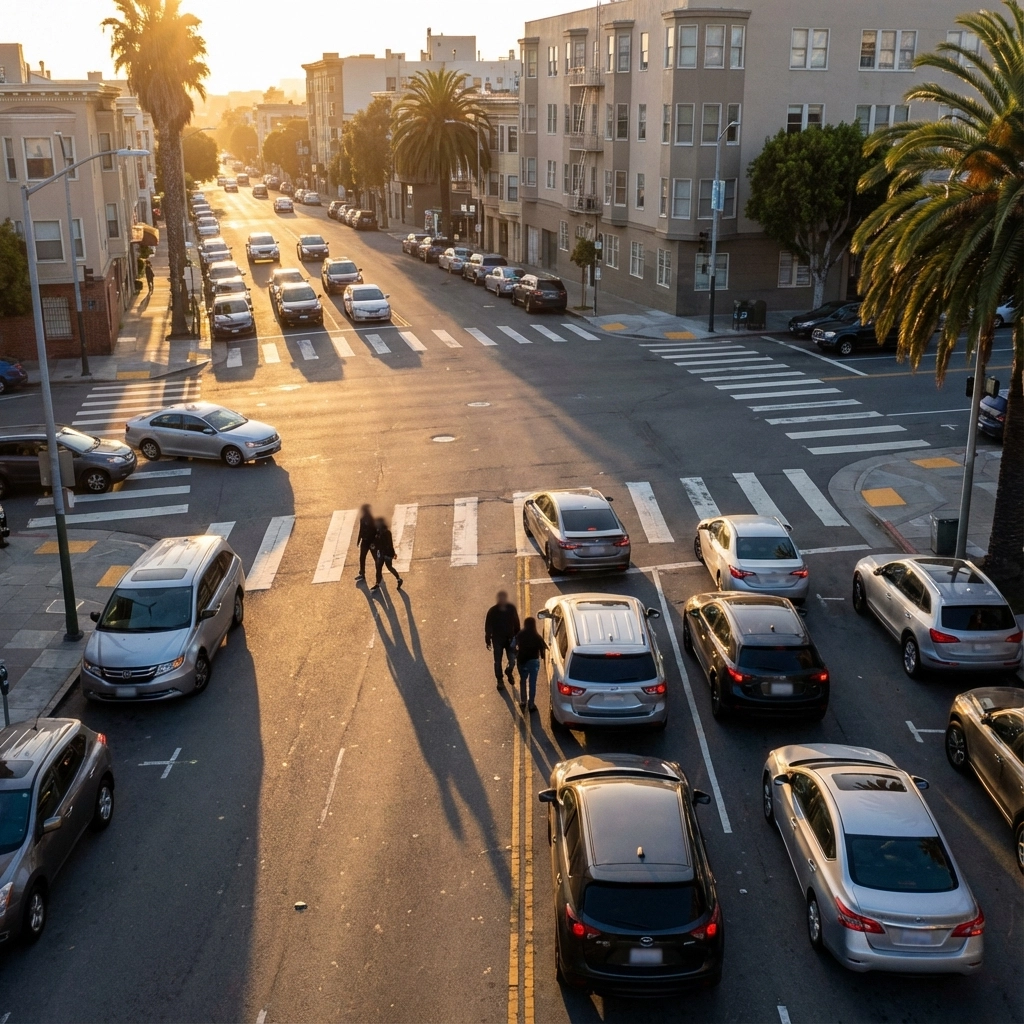
California's new daylighting law is about to change how cities manage parking near crosswalks. Starting January 1, 2025, Assembly Bill 413 makes it illegal to park within 20 feet of any marked or unmarked crosswalk (or 15 feet with curb extensions). While the safety benefits are clear, many cities are facing a costly dilemma: how to comply without breaking their budgets.
The good news? Smart cities are discovering that parking meter covers offer a surprisingly cost-effective solution that can save thousands compared to traditional compliance methods.
Understanding California's Daylighting Requirements
The daylighting law aims to improve pedestrian safety by keeping intersections clear of parked cars. When vehicles park too close to crosswalks, they create dangerous blind spots that can lead to accidents involving pedestrians, cyclists, and drivers.
Under the new law, cities must ensure no parking occurs within the designated daylighting zones. The challenge isn't just creating awareness: it's physically preventing parking in these areas while maintaining flexibility for changing traffic patterns and special events.
What Cities Are Currently Doing (And Why It's Expensive)
Many California cities have started preparing for compliance, but their approaches often involve significant upfront costs and permanent changes:
Meter Removal and Relocation
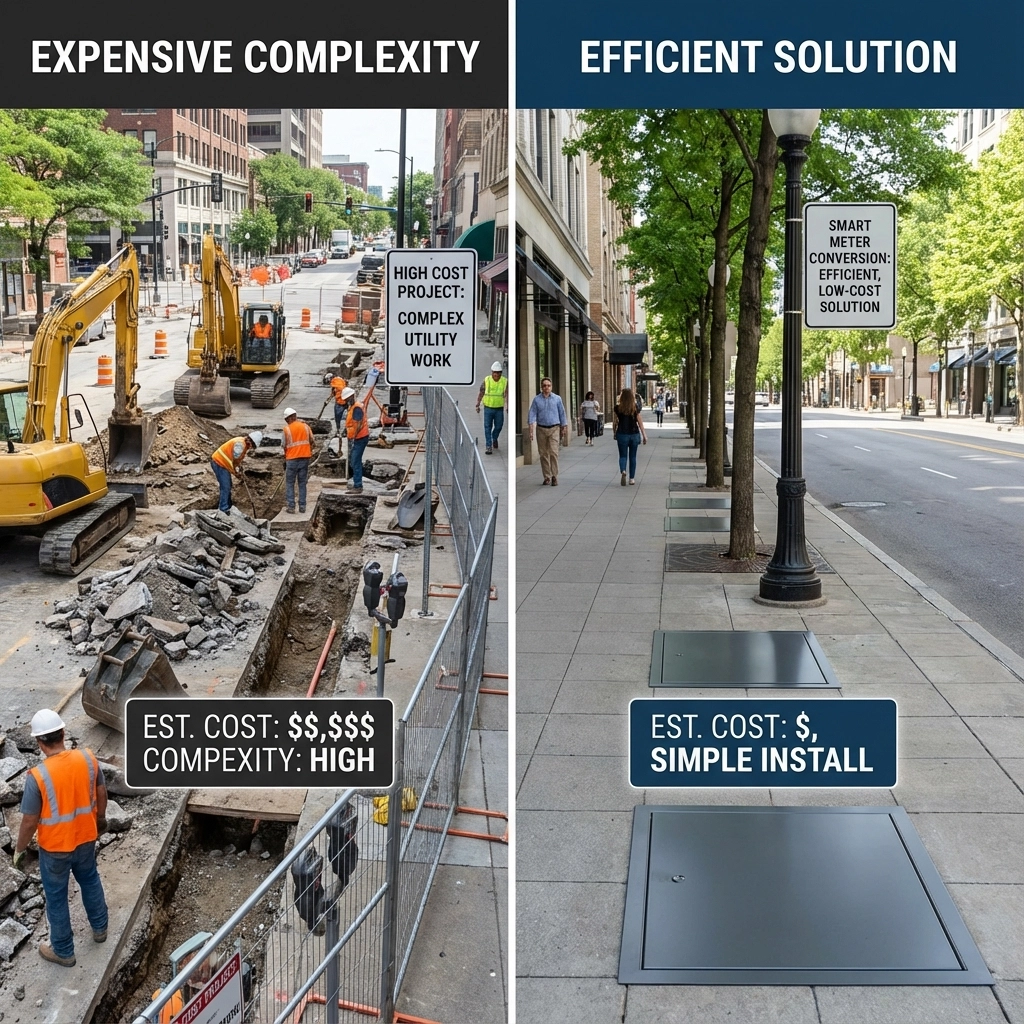
Some cities are physically removing parking meters from daylighting zones. This process typically costs $500-$1,200 per meter, including labor, equipment, and potential underground utility work. For a city with 50 affected meters, that's $25,000-$60,000 just in removal costs.
Red Curb Painting and Maintenance
Painting curbs red requires ongoing maintenance every 2-3 years. Cities report spending $15-$25 per linear foot for initial painting, plus recurring costs for touch-ups and repainting due to weather and wear.
Physical Barriers and Bollards
Installing permanent barriers can cost $200-$800 per linear foot, depending on materials and installation complexity. These solutions also require ongoing maintenance and can create accessibility challenges.
Signage Installation
New permanent signage costs $75-$300 per sign, plus installation labor. Cities often need multiple signs per daylighting zone to ensure clear visibility from all directions.
The Parking Meter Cover Solution
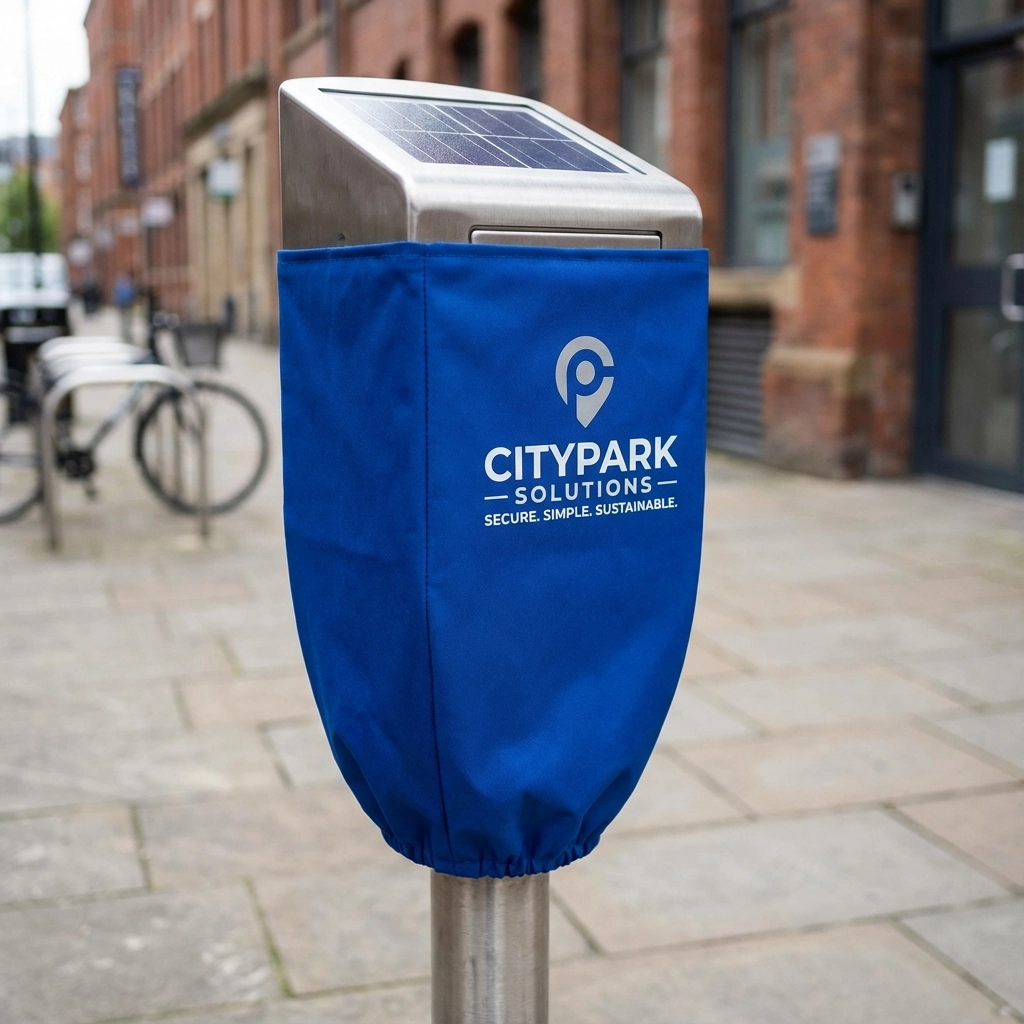
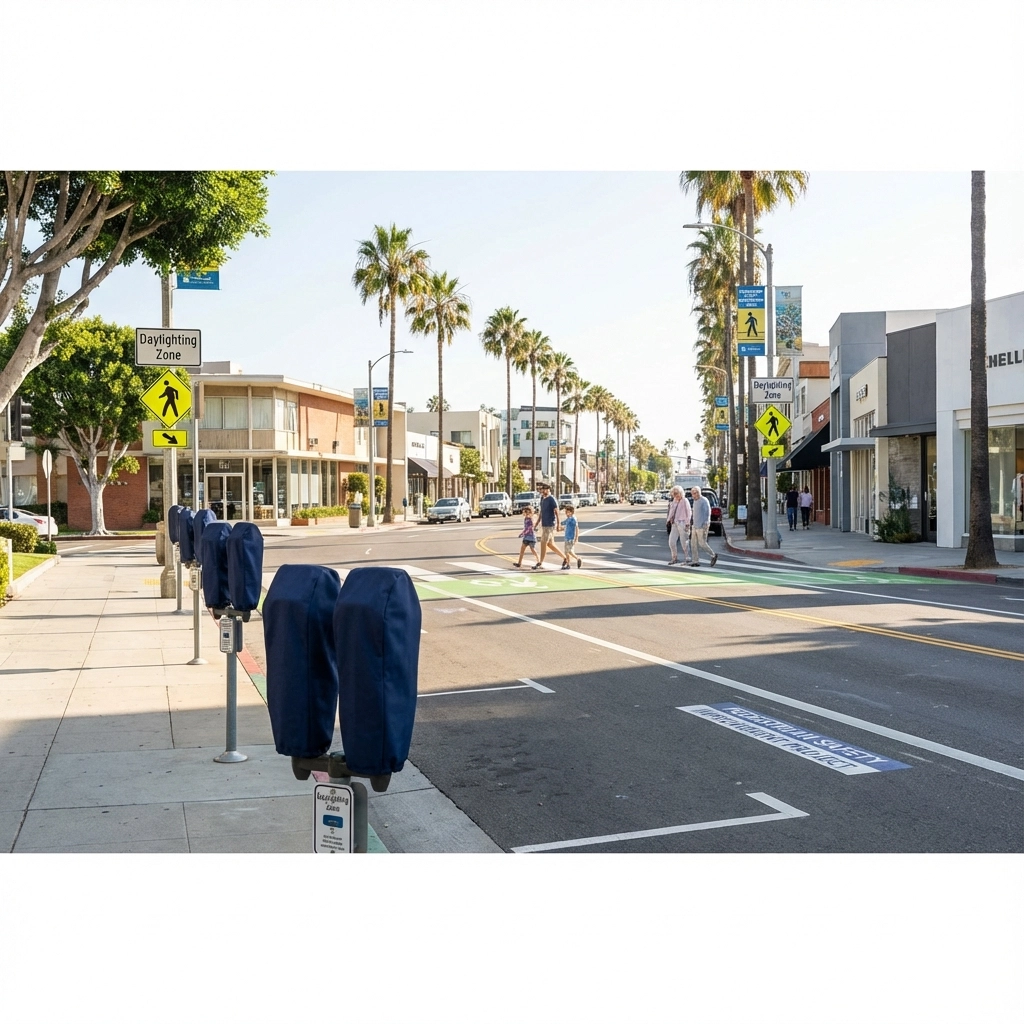
Parking meter covers present a fundamentally different approach that addresses the core requirement while offering significant cost advantages and operational flexibility.
Immediate Compliance at Lower Cost
High-quality parking meter covers typically cost $30-$80 per unit: a fraction of the cost of meter removal. For that same city with 50 affected meters, the total cost would be $1,500-$4,000 instead of $25,000-$60,000.
Reversible Implementation
Unlike permanent solutions, meter covers can be removed if traffic patterns change, special events require temporary parking, or city planning evolves. This flexibility is particularly valuable during the initial adjustment period as cities fine-tune their daylighting strategies.
Cost Comparison: Traditional Methods vs. Meter Covers
Let's examine the real numbers for a mid-sized city dealing with 100 parking meters in daylighting zones:
Traditional Approach Costs:
- Meter removal: $50,000-$120,000
- Red curb painting: $8,000-$12,000 (initial)
- Recurring paint maintenance: $3,000-$4,000 every 2-3 years
- New signage: $7,500-$30,000
- Total first-year cost: $65,500-$162,000
Meter Cover Approach:
- Quality meter covers: $3,000-$8,000
- Installation (if needed): $1,000-$2,000
- Total first-year cost: $4,000-$10,000
The savings are substantial: often 85-95% less than traditional methods. Even factoring in potential replacement covers over several years, the cost advantage remains significant.
Beyond Initial Savings: Long-Term Benefits
The financial advantages of meter covers extend well beyond the initial purchase:
Reduced Administrative Burden
Meter covers eliminate the complex approval processes often required for permanent street modifications. There's no need for lengthy municipal approvals, contractor bidding, or coordination with utility companies.
Maintenance Simplicity
Unlike painted curbs that fade or permanent signs that get damaged, quality meter covers require minimal maintenance. They're designed to withstand weather extremes and typically last 3-5 years with proper care.
Event Flexibility
Cities can easily remove covers for special events, parades, or emergency situations that temporarily require additional parking. This operational flexibility can prevent lost revenue from parking meters during peak demand periods.
Implementation Considerations
While meter covers offer clear cost advantages, successful implementation requires attention to several factors:
Cover Quality and Durability
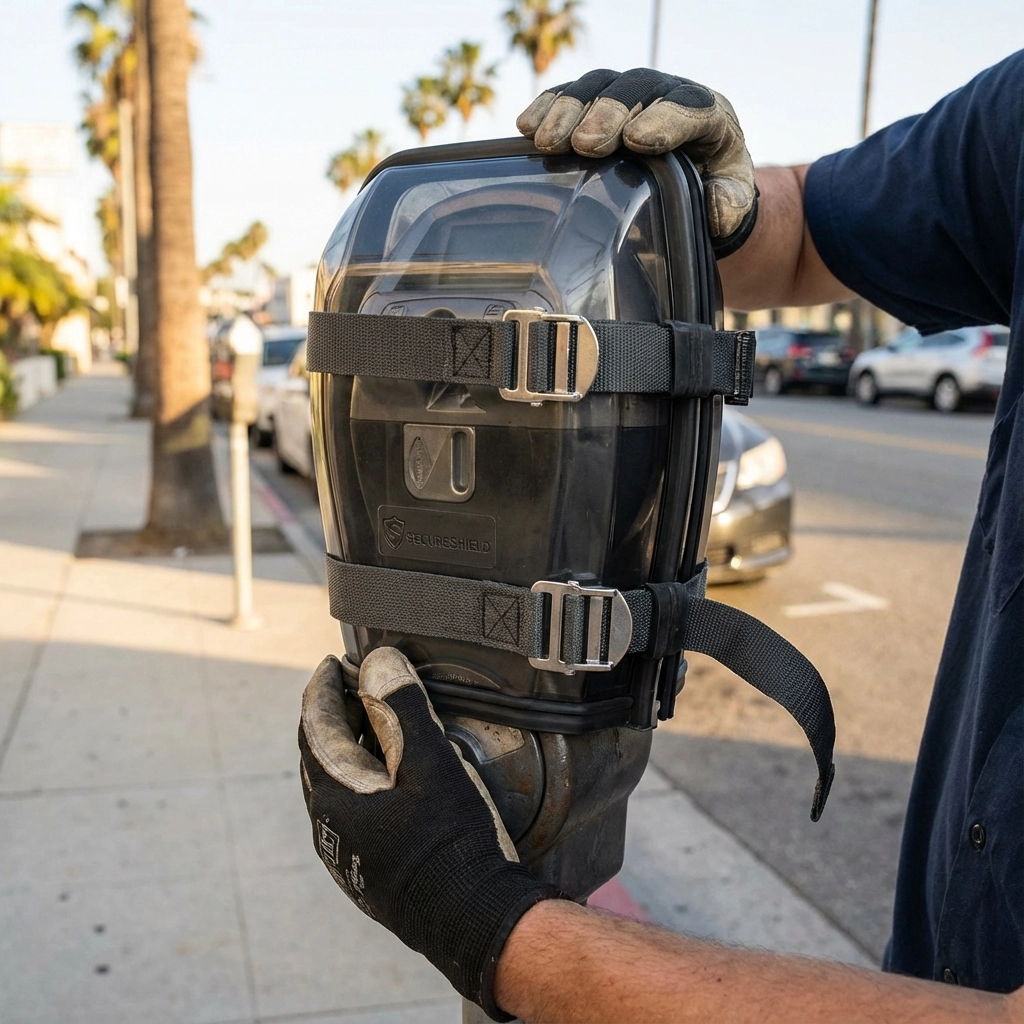
Not all meter covers are created equal. Look for covers made from heavy-duty materials that can withstand California's varied weather conditions, from coastal salt air to inland heat. Quality covers should include features like reinforced edges, weather-resistant materials, and secure attachment systems.
Visibility and Messaging
Effective covers should clearly communicate that parking is prohibited. Custom messaging options can help reinforce the daylighting law while maintaining professional appearance standards.
Installation and Security
Consider covers that are easy for city staff to install but difficult for unauthorized removal. Some cities prefer covers with tamper-resistant features to prevent vandalism or unauthorized removal.
Choosing the Right Meter Cover Solution
Different daylighting situations may call for different cover types:
Single Meter Covers
Ideal for isolated meters in daylighting zones. Single meter covers offer targeted coverage without affecting adjacent parking spaces.
Double Meter Covers
For locations with paired meters, double meter covers provide comprehensive coverage while maintaining a clean, professional appearance.
Custom Messaging Options
Cities can incorporate specific messaging about daylighting requirements, helping educate the public while ensuring compliance.
Making the Case to City Council
When presenting meter covers as a daylighting solution, focus on the key arguments that resonate with municipal decision-makers:
Budget Impact
Present clear cost comparisons showing 85-95% savings compared to traditional methods. For many cities, this represents tens of thousands of dollars that can be allocated to other critical infrastructure needs.
Implementation Speed
Meter covers can be deployed immediately, allowing cities to achieve compliance quickly rather than waiting months for contractor schedules and approval processes.
Risk Mitigation
The reversible nature of meter covers reduces the risk of costly mistakes if initial daylighting zones need adjustment based on traffic flow analysis or community feedback.
Revenue Protection
Unlike permanent meter removal, covers preserve the option to reactivate parking spaces if regulations change or special circumstances arise.
Real-World Success Stories
Cities across California are beginning to recognize the practical advantages of meter covers for daylighting compliance. Early adopters report significant satisfaction with the cost-effectiveness and flexibility this approach provides.
The key to success lies in selecting quality covers designed specifically for municipal use and ensuring proper installation and maintenance protocols.
Planning Your Implementation
For cities considering meter covers as their daylighting solution, here's a practical implementation timeline:
Phase 1: Assessment (1-2 weeks)
Identify all meters in daylighting zones and assess specific coverage needs.
Phase 2: Procurement (2-4 weeks)
Source quality meter covers from reputable suppliers with municipal experience.
Phase 3: Deployment (1-2 weeks)
Install covers and implement any necessary signage or public communication.
Phase 4: Monitoring (Ongoing)
Track effectiveness and make adjustments as needed.
The entire process can typically be completed in 6-8 weeks, compared to 6+ months for traditional approaches.
A Smart Financial Decision
California's daylighting law presents cities with a clear mandate but leaves room for creative compliance solutions. Parking meter covers offer a compelling combination of immediate cost savings, operational flexibility, and reliable performance that makes them an increasingly attractive option for budget-conscious municipalities.
By choosing meter covers over traditional permanent solutions, cities can achieve full daylighting compliance while saving thousands of dollars and maintaining the flexibility to adapt as conditions change. In an era of tight municipal budgets, this kind of practical, cost-effective solution represents smart governance that serves both public safety goals and fiscal responsibility.
For cities facing the January 2025 deadline, meter covers provide a path to quick compliance without the financial burden or long-term commitments of permanent solutions.